As the Mental Health Manifesto Project comes to an end, we hope to leave a legacy
Nicole Burchett, Project lead of MHM reflects on the last four years of the Mind Our Future, Mental Health Manifesto Project.
Well we have come to the end of the Mental Health Manifesto project and what a fabulous, fun time it’s been! We’ve had many, many young people from single parent households through the door, so a special thank you to all the parents that helped that happen, and they have shaped and made the project come alive.
Funding from The National Lottery Community Fund in 2022, gave the project 4 years with a ‘lead-in’ first year to help co-produce with the young people what the project looked like. From these conversations we developed termly Big Meet Ups, monthly Mini Meet Ups and regular weekly Champions for Change (C4C) and Achieve, Believe and Inspire (ABI) sessions. Each of these events, which had a different aim and feel, all fed into the three aims of the project: Learn and Grow (healthy relationships); Leadership and Ownership (co-production); and Inform and Influence (having a voice). The Big Meet Ups, for most young people, was their first introduction to the project and a way to see what else was on offer. The Mini Meet Ups were on a smaller scale and allowed the young people to connect with each other in a fun way. Finally, it was hoped the young people would engage on a more regular basis with the project by attending the C4Cs and ABI weekly groups. These sessions were structured to support the young people exploring ways of achieving and maintaining good mental health and wellbeing.
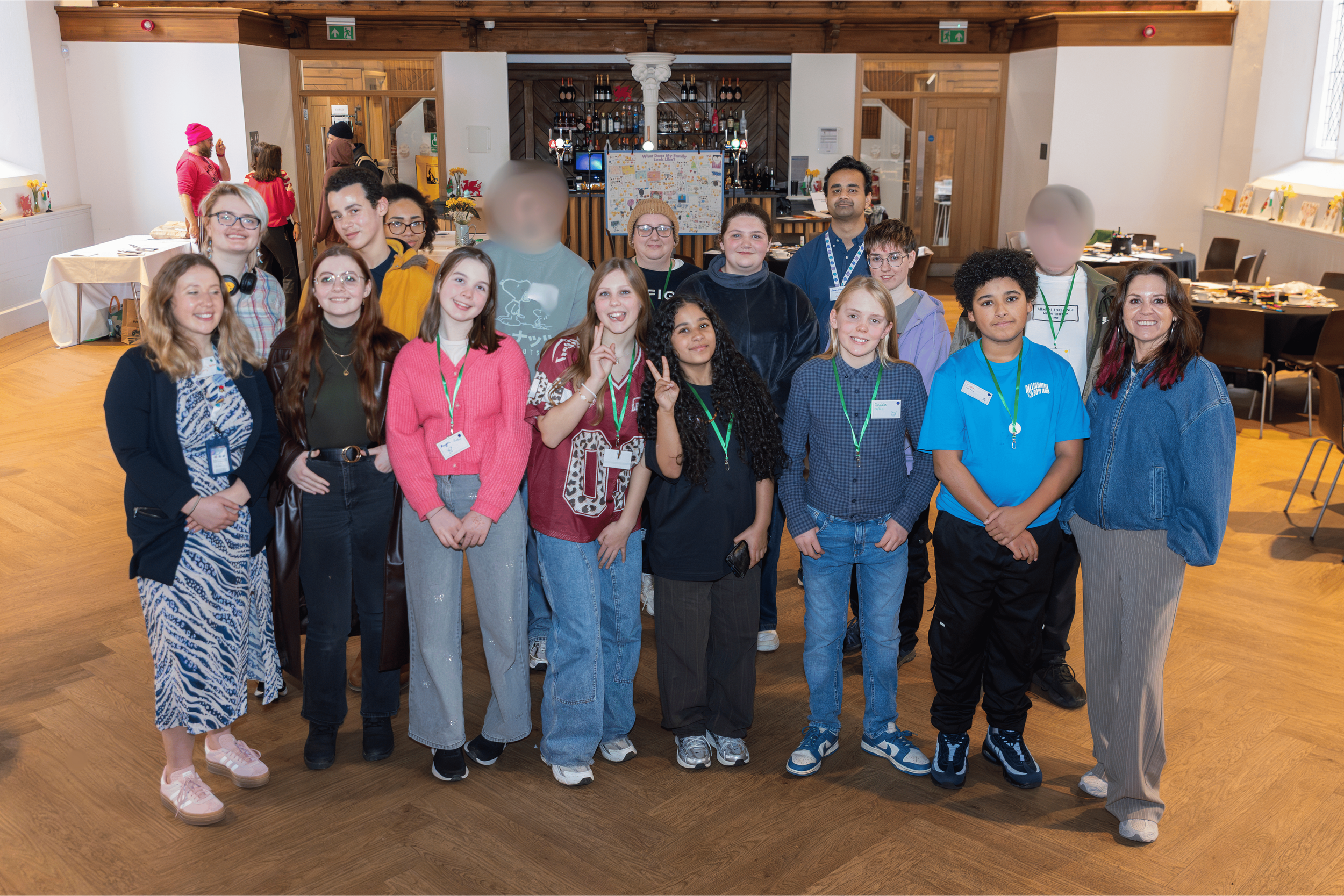
Events run by the project have been the route to achieving the project aims and helping the young people build confidence and a sense of belonging. The C4Cs volunteers have been a roaring success! A group of young people between 10 and 16 years old have been part of a four-weekly rota of socials, co-production, connection cafe and guest speaker for the past three years. This has seen them speak into research relevant to them, run a cafe serving parents, co-produce the BMUs and the project, eat (lots of) pizza and trampoline (although not at the same time!). The peer-to-peer relationships and those with staff are strong bonds from which they can feel safe to challenge and find their own voice. This group ran alongside the seasons of Game Changer and Crafttude, preferred by non/anxious school attenders and neurodiverse young people. For the older young people (17-24 year olds) the Youth Action Academy (YAA) volunteers was created, which gave opportunities to develop CVs, mentor the younger age group and reverse mentor the (older age) group of staff. Once a year there was a subsidised residential to an outdoor centre for young people, parents and staff alike to push their comfort zones, have fun, eat, play and belong. Finally the SPW Summit 2026 was the first of its kind and hopefully paved the way for many more; the young people, supported in the background by staff, took the lead roles and ‘smashed it!’.
Staff have played an integral role over the lifetime of the project. There have been many staff that have come and gone and influenced the progress of the project with their presence. Their passion, care and diligence has been humbling and created a safe and warm space for young people from single parent households to relax, have fun, learn and create connections. Along the way we have had at least one full-time, young student per year, shorter-term placements and a number of interns, and all have connected with the young people and supported them in growing and learning. The young people especially enjoyed the older young people involved in the project as they saw them as ‘not quite staff and not quite peers’, more like an older sibling with whom they could build healthy relationships. The team would also not have been able to achieve as much as it did without their input.
Lead-partners across the lifetime of the project have stayed steady and had real impact on the direction of the project and in raising the profile of single parent households. Swansea University, Public Health Wales and the Mental Health Foundation worked together with the project to help us to understand how best to engage and co-produce with young people, to understand the demographics of the young people we were working with and to understand the impact the project was having. This enabled us to respond to recommendations and improve the project for the young people as it progressed. As SPW were the grant-givers to some hefty partners, it was great to see them engage so passionately and support the project, staff and young people so well.
Targets were agreed at the start of the project and by the middle of it most had been met, if not exceeded. These targets were reset at the start of year 4, motivating the staff to also exceed these - a couple of headlines to make your head spin and didn’t they do well?!
C4C and children, young people trained on co-produced emotional and practical workshops focusing on relationships and leadership skills
Target: 60. Final number:144
Children and young people from single parent households are engaged to continually co-produce the project, over the 3 years
Target: 350. Final number: 428
Connect and Collect spaces throughout Newport, Swansea and Cardiff, including spaces tailored to anxious non attenders
Target 110. Final number: 300
Pieces of online content to engage a wider audience of children and young people from single parent households
Target 30. Final number: 86
Leaving well has been a main focus of the final year of the project. Letting the young people and their parents know that we were in the final year of the project at the start of that year, was important to help support the process of letting go. This transition was helped by signposting to other organisations and meeting local partners who were also working with young people. Also, legacy pieces have been developed through co-production with the young people, and support from our lead-partners, to help the project sustain its support and impact after the end of the delivery. (For example the training portal holds videos on subjects such as how to emotionally regulate and there are a series of compassionate conversations podcasts for people to listen to.)
However, the Big Meet Ups have been such a success, that this is one event that will continue under the new leadership of our sister project Thrive.
Thank you to all the staff who helped shape and make the project what it has been and contributed to its success. Thank you to all the single parents who enabled and encouraged your young people to join us and to our partners for raising the profile of single parent households. And the final thank you goes to the bright and brilliant young people for volunteering and giving your time and ideas; this project has been yours.